
B2B Slot Development: From Casino API Integration to Launch
B2B Slot Development for iGaming: From Casino Developer Needs to Delivery
I’ve seen casino developers stall for weeks, then ship when specs finally lock. The first win in B2B slot development is aligning game lists, SLAs, and QA timelines—then building from there. Delivery in 6–10 weeks is realistic when integration paths and casino API integration are agreed early.
B2B Slots Platform Architecture: How Slot Aggregation Works
- Map each slot’s ID, RTP, and jackpot rules to one canonical schema.
- Set cache TTL to 60s for odds/RTP refresh to cut latency.
- Run integration tests per casino API integration endpoint, not in a shared sandbox.
- Version slot packages so a bad build rolls back in minutes.
- Track provider uptime with 5-min heartbeat alerts.
When I built a b2b slots platform last year, slot aggregation platform failures showed up only after real traffic. So I treat slot content platform delivery like an API product: monitoring, retry logic, and strict contract tests.
Casino Software Development for Enterprises: Building Scalable Casino Platforms
I’ve watched b2b slot providers lose deals because their casino platform development couldn’t scale during promo spikes. With the right casino software development partner, enterprise iGaming platform operations can handle spikes, audits, and rapid game onboarding without breaking payments. For teams serious about performance, use https://casinosoftware-th.com/ to support casino API integration and smoother iGaming software delivery. Target sub-200ms latency on core calls if you want smooth operator UX.
Casino API Integration and Casino Integration Services for Faster Game Deployment
I’ve seen casino game integration slip because teams treat casino API integration like a one-off. I insist on mapping every endpoint, retries, and signature checks upfront. 90%+ of delays are contract-test gaps for casino integration services.
White Label Casino Development vs Turnkey Casino Development for B2B iGaming
When I compared white label casino development and turnkey casino development, the trade-off was clear: control vs speed. With white label slots, you own the theme, but you still need your own iGaming platform QA and rollout plan. Turnkey can launch in 4–8 weeks if you accept fixed modules and provider constraints.
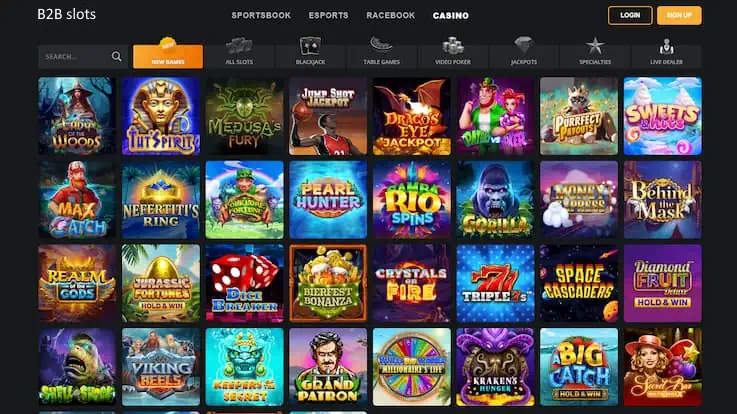
Fast is fine—until a promo breaks deposits. I only trust turnkey launches when I’ve seen the rollback and monitoring plan in writing.
Slot Game Provider Capabilities: Content Platform, Slots Aggregation, and Distribution
- Request a slot content platform export of RTP/volatility per SKU before signing.
- Ask for a slot aggregation platform dashboard with provider latency p95.
- Verify distribution supports 3DS2 and regional payout rules.
- Run a week-long UAT with 50k session replay logs.
- Confirm versioned builds and rollback in under 15 minutes.
I’ve picked b2b slot providers based on their demo, then got burned by missing jackpot edge cases. Provider p95 latency under 150ms is the number I now ask for first.
B2B iGaming Solutions Comparison: Platform vs Solutions (Brand/Product Table)
In my experience, teams mix up “platform” and “solutions,” then blame tech for business choices. Here’s how I compare B2B casino solutions I’ve evaluated in 2024. Platform projects usually add 8–12 weeks for integration and ops work.
Enterprise Slot Solutions: Requirements Gathering, Compliance, and Performance Targets
I start enterprise slot solutions with a 2-hour workshop: markets, licenses, jackpot rules, and expected MAU. Then I lock performance targets, like p99 under 300ms, before any iGaming technology work. Compliance details matter—KYC/AML evidence and audit trails aren’t optional.
Casino Technology Solutions Roadmap: iGaming Platform Development and Ongoing Support
My iGaming platform roadmaps always include a support runway, not just a build sprint. After go-live, we track incidents weekly and run provider regression tests monthly; 30-day hotfix window keeps operators calm. I also budget for change: new slots, new casino API integration quirks, and shifting regulations.
FAQ
How do I avoid slot integration delays?
I treat casino API integration like a contract: map endpoints, signatures, retries, and do contract tests before UAT. In my experience, most delays come from missing test gaps.

Which is better for speed: white label or turnkey?
Turnkey can launch in about 4–8 weeks, while white label gives you more control. I only trust turnkey fast launches when rollback and monitoring plans are documented upfront.
What should I demand from slot providers?
Ask for RTP/volatility exports, slot aggregation platform latency (p95), and build versioning with rollback. I also run UAT with real session replay logs to catch edge cases.
What’s the safest performance target for enterprises?
I set goals early, like p99 under 300ms for core calls, then validate under load. Compliance evidence and audit trails also need to be planned, not bolted on.
Do platform projects take longer than solutions?
Usually, yes—platform projects often add 8–12 weeks for integration and ops work. I separate timelines for casino game integration, wallet hooks, and QA so expectations stay realistic.
